

 Single Hung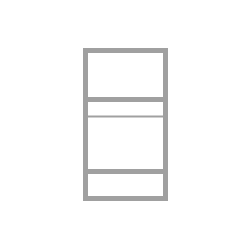
 Double Hung
 Casement
 Picture/Shapes
 Sliding
 Awning & Hopper
 Bay & Bow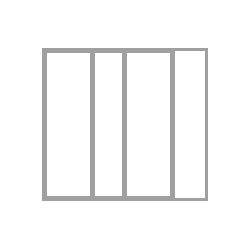
 Sliding Patio Doors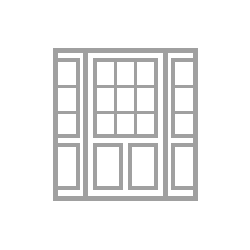
 Entry Doors
When comparing replacement windows or patio doors for your home, it’s hard to know which one to pick. Door and window energy performance ratings can help you compare products and choose what’s best for your needs. Be sure to check for specific labels that validate performance.
First, look for the National Fenestration Rating Council (NFRC) label. The NFRC is the industry-recognized certifying body for windows and doors.
Second, look for the blue ENERGY STAR® label. This label means the window or door has met strict energy efficiency product specifications set by the U.S. Environmental Protection Agency (EPA).
If you are looking for a quality window, these two labels are essential. Now, let’s dive into the ratings that appear on these labels and how they should affect your window choice.

SHGC Rating Influences Heating Bills
SHGC, or solar heat gain coefficient, is the amount of solar light that is admitted through a window or door and released as heat into a home. The SHGC scale runs from low to high, meaning the lower the coefficient, the less solar heat is transmitted.
While the inclination may be to purchase a replacement door or window with the lowest possible SHGC rating, this may not always be best practice. A home’s climate, location, and even positioning relative to trees and shade can play influential roles in determining the optimal SHGC rating for your home.
For example, if you live in a cold, northern region, then a high SHGC rating may benefit your home, as more solar heat will be allowed in during the winter months. If you live in a hot, southern climate, a low SHGC rating will help keep a home cool in the summer.
U-Factor Measures Heat Conduction
U-Factor is the rate at which a window or door conducts heat. The difference between this and SHGC is that the heat measured by the U-Factor rating is nonsolar. It’s important to remember that a U-Factor rating should be a measurement of the window in its entirety, rather than just the glass.
While some manufacturers only test the glass for U-Factor, the NFRC grades the U-Factor of windows and doors as a whole. The same can be said for all of SoftLite’s products. We test them in their entirety, including the frame and spacer material, so that a homeowner has access to the complete picture when it comes to energy efficiency.
Visible Transmittance Impacts Home Comfort
Visible Transmittance (VT) Ratings measure the fraction of the visible spectrum of sunlight that comes through a window or door. VT will be expressed as a number between 0 and 1, with higher ratings meaning higher levels of transmittance.
VT is most relevant for homes looking to maximize or minimize the amount of external sunlight that enters. The ideal VT rating may vary depending on your personal goals and preferences, as well as the surrounding objects that block sunlight from entering your home (i.e., trees, telephone poles, or even buildings). If your home is shaded under a large tree, for example, a higher VT rating may be ideal. To the same end, if you’re tired of glares coming through the window every day, a lower VT is the way to go.
Condensation Ratings Gauge Water Resistance
Condensation ratings measure a window’s efficiency at resisting water damage. The American Architectural Manufacturers Association (AAMA) created the Condensation Resistance Factor (CRF) to measure a window’s efficiency. This scale goes from 30 to 80, with higher numbers indicating a better performing window.

Air Leakage Measures Insulation
Air leakage (also known as air infiltration) is the rate at which air moves through a window or door. This rating is often expressed in cubic feet per minute (CFM) over the number of square feet. For example, a window that allows 100 cubic feet per minute of air leakage over a 20-square-foot space will have an Air Leakage rating of 0.2.
The higher the air leakage rating, the more air that can seep in and out of your home. Generally, a lower Air Leakage number will be indicative of a tighter seal and superior insulation. The industry standard for CFM is .30 with most manufacturers having a CFM of .15-.23 CFM. SoftLite offers windows that feature air filtration ratings with a CFM as low as .01 which is 30 times better than the industry standard.
Energy-Efficient Doors and Windows
The best way to truly determine which type of window will be best for your home is to speak to a window expert. Whether you’re looking to replace your existing windows or purchase new ones entirely, look to SoftLite Windows & Doors. The energy efficiency, industry-leading ratings, and consistent ENERGY STAR® qualifications that come alongside our top-of-the-line products are unmatched. For over 80 years, homeowners have relied on SoftLite’s ability to manufacture the most reliable, durable, and high-performing windows on the market. Request a free quote today, or find a SoftLite dealer near you.


