

 Single Hung
 Double Hung
 Casement
 Picture/Shapes
 Sliding
 Awning & Hopper
 Bay & Bow
 Sliding Patio Doors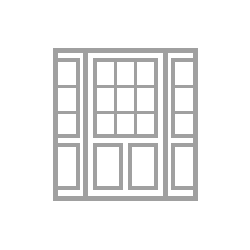
 Entry Doors
Frequently Asked Questions
How do I know it’s time to replace my windows?
When deciding if you need to replace your old windows, watch for these few key warning signs that tell you it’s time to upgrade your home with new windows: windows are hard to open and close, you feel a draft even when the windows are closed, your monthly utility bills have increased.
What are R-values and U-values?
An R-value is the measure of resistance to heat flow. The higher the R-value, the greater the resistance. U-value is the amount of heat transferred through a material. The lower the U-value, the slower the rate of heat flow and the better the insulating quality.
What causes condensation on windows?
Condensation is caused by excess humidity in the home and appears on the coldest area of a wall. That is why condensation usually appears on windows. The warmer the air, the more moisture it will retain, therefore when the air comes in contact with the colder glass, the air is cooled, and moisture is released on the glass.
What can I do to reduce humidity in my home?
Use exhaust fans in your kitchen, laundry room, and bathroom. Vent gas burners and clothes dryers to the outside. Use a dehumidifier to remove excess humidity from the air in your home. Air out your home by opening your windows for at least a few minutes every day.
Can I paint the vinyl on my SoftLite windows?
We definitely do not recommend it. The warranty on the vinyl becomes void if the vinyl is painted or stained, or if the surface is altered in any way.
What is NFRC and should my window be certified?
NFRC is the National Fenestration Rating Council, a non-profit organization supported by the Department of Energy that helps consumers compare the energy performance of windows and doors. Window manufacturers that participate in the NFRC program are required to label every window with its thermal specifications. The consumer is then assured that those products meet the thermal requirements for energy efficiency set forth by the NFRC.
What does ENERGY STAR® have to do with windows and doors?
ENERGY STAR® is a government program, administered by the Department of Energy and the Environmental Protection Agency, that is designed to reduce the amount of fossil fuels used in heating and cooling through the energy efficiency of windows and doors.
How does Low-E and argon work?
Low-E glass provides year-round energy savings. A thin, transparent metallic coating is applied to the glass and filters solar radiation. During the summer, Low-E reduces heat gain and keeps your home cooler. In the winter, Low-E keeps your home warmer by reflecting heat back into the home.
Does argon gas in windows make a difference in the efficiency of windows?
Argon offers a higher level of insulation. The Argon is located between the insulated glass unit. Argon is heavier than air, so it is less likely to experience convection or thermal movement.
How do I find out what model window/door I have?
Please look for a white warranty label found on the header of the mainframe to determine which product is installed in your home.
How do I know if I have Low-E glass?
Tape a piece of white paper to the inside of the glass and then look at the window from the outside. If the paper appears white, your glass is clear. If it has a light to dark gray appearance or is greenish in color, you have Low-E glass.
How much can I save by switching out my old windows with new energy-efficient windows?
The answer will vary depending on several factors. The characteristics of your old and new windows, house size, geographic location and personal use.
Will my replacement windows require a lot of maintenance?
SoftLite windows are easy to maintain. The vinyl construction is virtually maintenance free and there are no storm windows to struggle with. Just wipe the vinyl surface with a damp cloth to keep your windows looking like new.
Where should I buy replacement windows?
Depending on your local area there are likely many different companies you can get your windows from. One of the best ways to find a window dealer is by clicking on the find a dealer tab on the SoftLite website.
Can I install the windows myself?
There are a lot of home improvement projects that DIY enthusiasts can tackle, but window replacement is generally not one of them. If your windows are installed improperly, you could end up with drafts, leaks and reduced energy efficiency, ultimately costing you more in the long run than you would save by making it a DIY project. Also if not installed properly you could void your warranty.